healing through horses
equine assisted therapy
Discover the healing power of horses in the beautiful Leicestershire countryside.
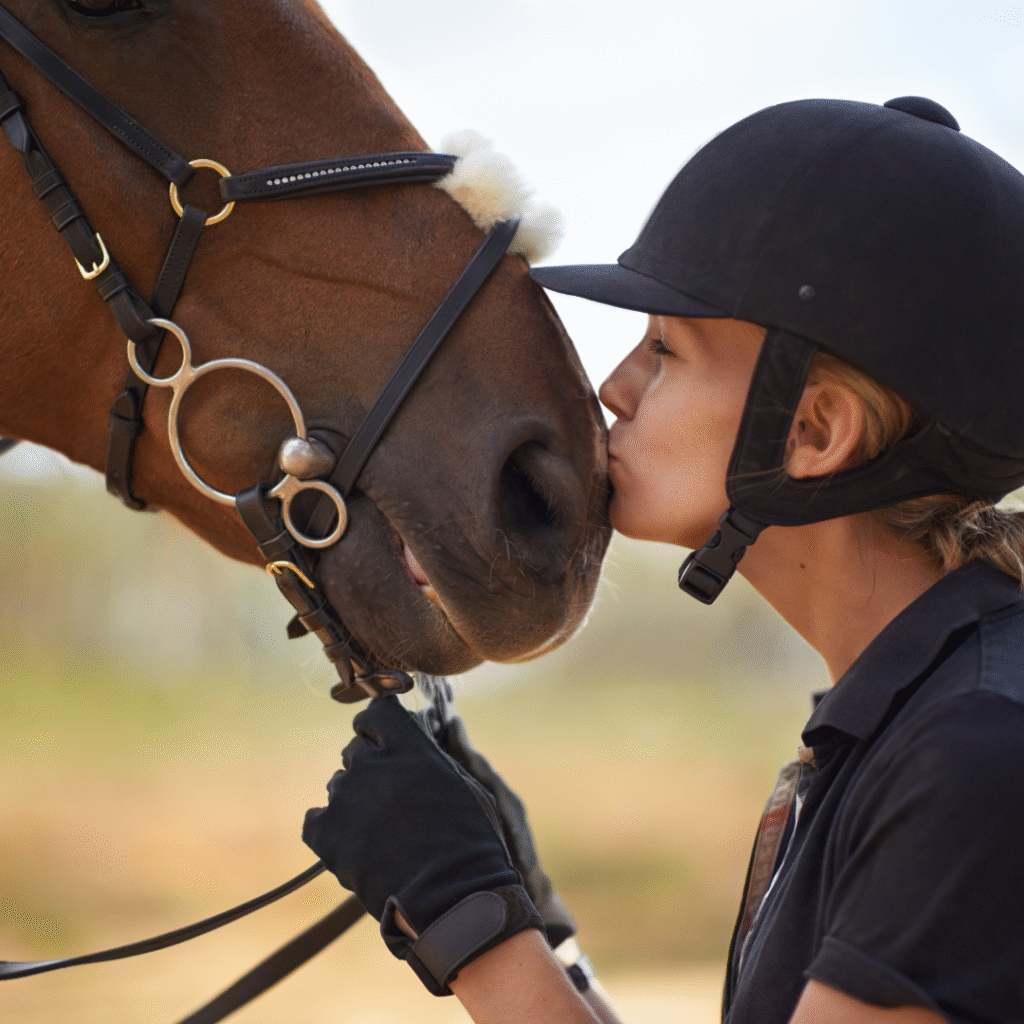
The connection between humans and horses creates a pathway to healing unlike any other therapeutic approach.
Horses have an extraordinary ability to uncover our emotions, from our deepest fears to moments of calm, connection and unconditional acceptance. As highly sensitive, social animals, they respond to who we truly are in the present moment, not who we think we should be.
So often, human experiences can leave us feeling misunderstood, let down, or unsure how to express our needs. Trust can feel fragile, communication difficult, and emotions overwhelming.
Horses offer something different.
They reflect our emotions, behaviours and ways of relating without judgment, becoming a powerful mirror for how we experience ourselves and the world around us. Through this relationship, we gain insight, learn emotional awareness, and begin to explore new, healthier ways of responding.
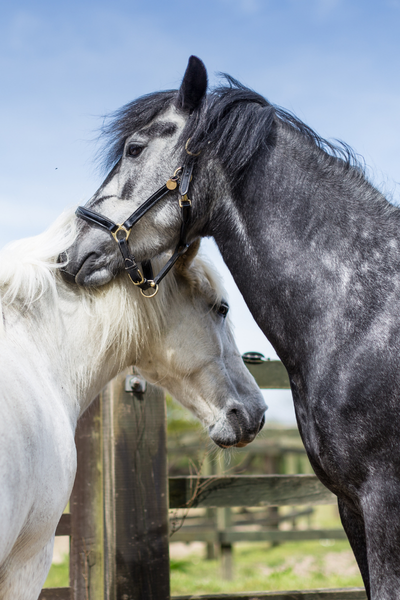
Experience growth and confidence through horses.
Equine Assisted Therapy (EAT) is a well-established, evidence-based approach with a growing body of research supporting its effectiveness in improving emotional well-being, confidence, focus and self-regulation.
By combining talking therapies, mindfulness and experiential work with horses, equine assisted therapy offers a gentle yet powerful way to build self-awareness, emotional regulation and confidence for both young people and adults.
Private equine sessions take place at the Child and Youth Heartfelt Ranch, in the peaceful countryside near Market Bosworth, Leicestershire.
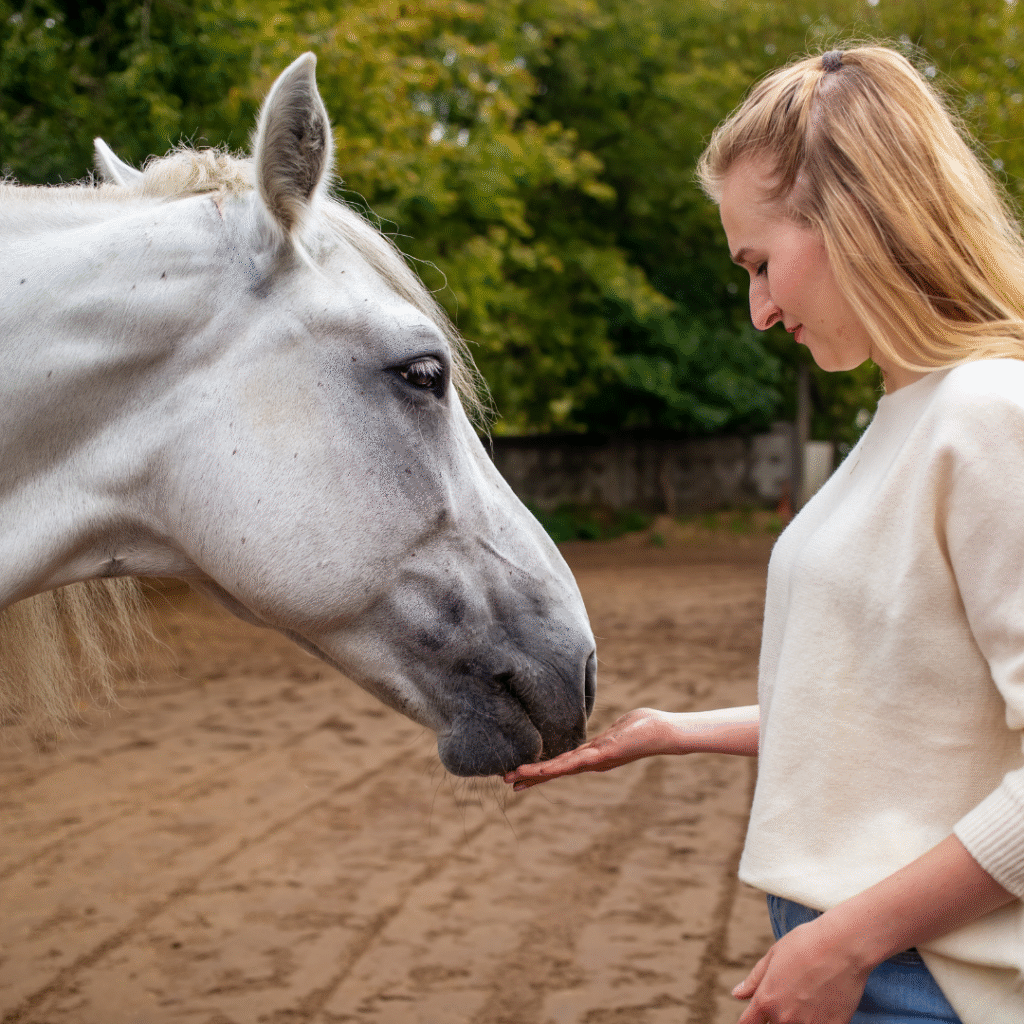
equine sessions are held at
discover our equine sessions
healing with horses

equine assisted therapy
A therapeutic approach combining talking therapy, mindfulness and ground-based work with horses. Suitable for young people aged 11+ and adults seeking emotional support, self-understanding and personal growth in a calm, supportive environment.

therapeutic horsemanship & riding
A gentle, skills-based approach for children and young people, including SEND. Using horsemanship and riding to build confidence, emotional regulation and life skills through connection, movement and positive experiences with horses.

mindfulness with horses
A grounding, reflective experience designed to support calm, presence and nervous system regulation. Ideal for those wanting to slow down, reconnect with themselves and experience the restorative power of mindful connection with horses.
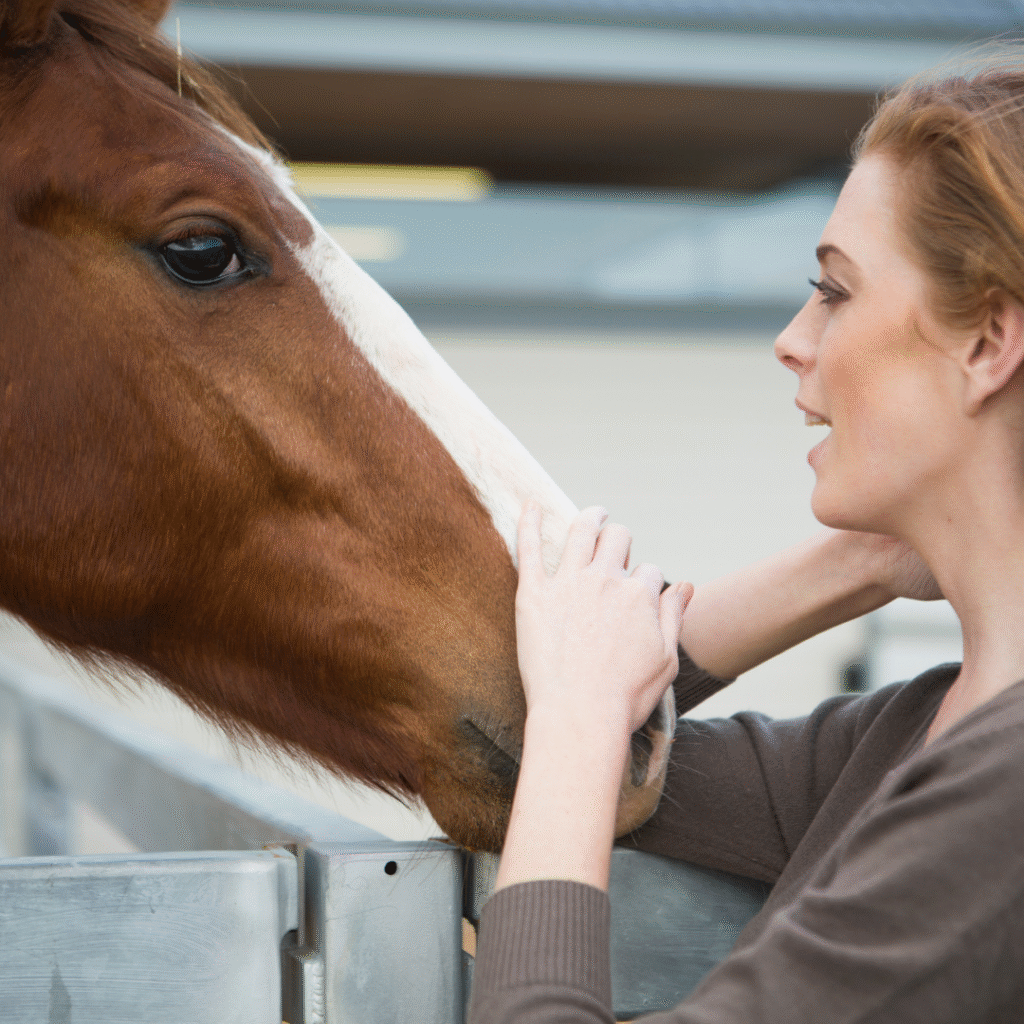
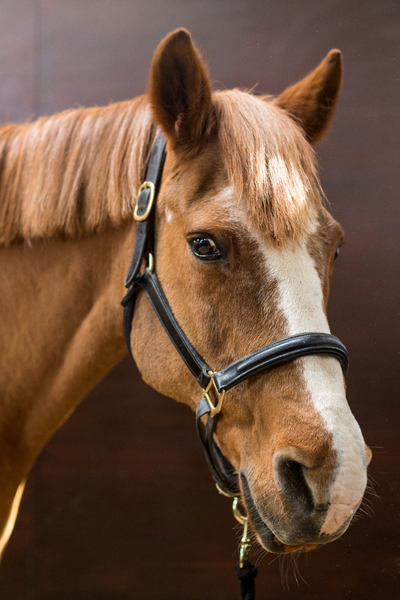
Equine Assisted Therapy
Therapy that combines horses, psychology + mindfulness
Equine Assisted Therapy is a therapeutic approach that combines working alongside horses with talking therapies and mindfulness to support emotional well-being and personal growth. Suitable for young people (11+) and adults.
These sessions support:
- Anxiety, stress, low mood or overwhelm
- Understanding thoughts, feelings and behaviours
Building self-awareness and emotional regulation
Assertiveness, boundaries and communication
Personal growth and resilience
Confidence and self-esteem
Coping with change and overcoming fears
what to expect:
- Ground-based work with horses (no riding required)
- Space to talk, reflect and explore thoughts and emotions
- Mindfulness and practical evidence-based psychological tools
- A calm, supportive, trauma-informed environment
All sessions take place in a calm, supportive environment where change can happen at a pace that feels safe. You don’t need any prior experience with horses. The horses are carefully selected, well cared for, and integral members of the therapeutic process.
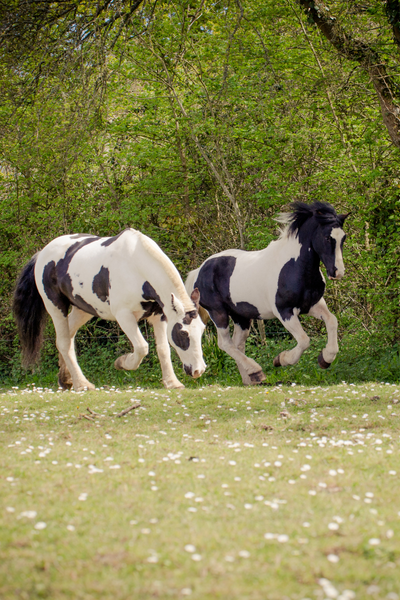
Your personalised plan.
My approach to therapy is both evidence-based and deeply human. Our work is active, practical, and focused on creating meaningful change. Alongside our work with the horses, I tailor sessions to you, drawing on the most effective therapeutic approaches, including:
Acceptance and Commitment Therapy (ACT)
Develop psychological flexibility, allowing difficult emotions to exist while still moving toward what matters to you. ACT supports a healthier relationship with your internal experiences and values-based action.
Cognitive Behavioural Therapy (CBT)
Identify and understand the connections between thoughts, feelings, and behaviours.
Cognitive Behavioural Hypnotherapy (CBH)
An evidence-based approach that uses focused attention and relaxation to support change. This is not stage hypnosis, there is no being put into a ‘trance’. Instead, it involves a natural, learnable psychological state that helps you access your brain’s capacity for change. Research shows that combining CBT with hypnotherapy can be more effective than CBT alone.1,2
Mindfulness – Learn to notice thoughts and feelings without becoming overwhelmed by them. Mindfulness supports greater calm, reduces automatic reactions to worry, and encourages a kinder, more compassionate response to experience.
Your personalised Programme Includes:
- Comprehensive assessment and treatment plan.
Private sessions in the beautiful Leicestershire countryside near Market Bosworth.
Access to Your Mind Works app with personalised exercises, audios, and messaging between sessions on your device.
Session cost is £75 per hour.
Bookings are payable in advance. If you need to cancel or reschedule a session, 48 hours notice is required.
There is something about the outside of a horse that is good for the inside of a man.
winston churchill
Therapeutic Horsemanship + riding for Young People
Building confidence, skills and emotional resilience through horses
Therapeutic Horsemanship sessions at the Heartfelt Ranch are designed for children and young people, including SEND and SEMH, who benefit from a gentler, skills-based approach.
These sessions are less intensive, while still being emotionally supportive and developmentally informed. They focus on:
Building confidence and independence
Emotional regulation and calm
Developing trust and connection
Social and communication skills
Body awareness and coordination
Positive experiences of success
Sessions may include groundwork, care, and, where appropriate, riding, always adapted to the individual needs of the young person.
This approach is ideal for children who may find traditional talking therapy overwhelming, or who learn best through movement, experience and relationship.
Is this right for your child?
Equine Assisted Therapy and Therapeutic Horsemanship may be particularly helpful if your child:
Feel anxious, disconnected or overwhelmed
Struggle to express emotions verbally
Have lost confidence or trust
Learn best through experience rather than talking
Benefit from movement, nature and calm environments
Session cost is £50 per hour.
Bookings are payable in advance. If you need to cancel or reschedule a session, 48 hours notice is required.
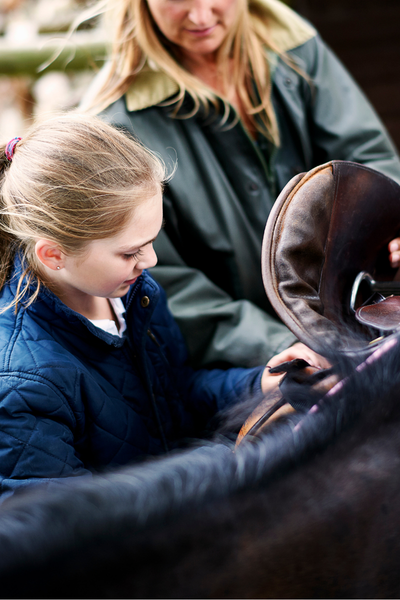
Mindfulness with horses
Mindfulness with Horses sessions offer you a calm, supportive space to slow down, reconnect and find greater balance. By combining evidence-based mindfulness practices with the grounding presence of horses in our peaceful countryside setting, these sessions support calm, focus and overall wellbeing.
These sessions are ideal for people who are completely new to mindfulness as well as those looking to deepen an existing practice. Each session is tailored to your individual needs and goals.
Mindfulness with Horses can help you to:
Reduce stress and feel calmer in everyday life
Manage anxiety, worry and low mood
Improve focus, concentration and mental clarity
Support better sleep and nervous system regulation
Build self-awareness and emotional resilience
Your programme is shaped around you, with gentle guidance at a pace that feels right, including:
A tailored programme addressing your specific challenges and goals
Adapted practices to accommodate any physical or health concerns
Custom audio recordings to support your home practice
Ongoing support to build confidence in your mindfulness skills
As a fully qualified mindfulness teacher, my approach blends elements from evidence-based programmes including MBSR (Mindfulness-Based Stress Reduction) and MBCT (Mindfulness-Based Cognitive Therapy). I deliver this work in a fully inclusive, compassionate and trauma-aware way.
Session cost is £65 per hour.
Bookings are payable in advance. If you need to cancel or reschedule a session, 48 hours notice is required.
mindfulness with horses for families
For you and your child.
Mindfulness with Horses sessions for you and your child offer a supportive, shared space to learn simple, practical mindfulness skills together. These sessions are particularly helpful for you and your child or teen to focus on emotional regulation, coping with stress and worry, and improving communication together.
Learning and practising mindfulness alongside your child helps them feel supported and understood, while giving you tools to respond calmly and confidently to their emotional needs. Sessions are age-appropriate, engaging and adapted to your child’s developmental stage, with the calming presence of horses helping mindfulness feel accessible and enjoyable.
This shared approach can strengthen your relationship, build emotional resilience and create simple practices you can continue using together at home.
Session cost is £75 per hour for one adult + child.
Bookings are payable in advance. If you need to cancel or reschedule a session, 48 hours notice is required.
Mindfulness with Horses
your mind works app
SUPPORT reimagined
Your session ends, but your mind keeps working. The insights, the breakthroughs, the moments of clarity don’t pause until your next session.
All my clients receive exclusive access to my custom Your Mind Works app.
Traditionally, therapy can leave you navigating between sessions with nothing but good intentions. I created the Your Mind Works app to provide you with personalised support and resources easily accessible whenever you need.
- Personalised Client Space - Your private area with resources and exercises curated specifically tailored for your treatment goals.
- Custom Audio Library - Your personalised self-hypnosis and mindfulness audios easily accessed from your device.
- Progress Tracking - Visualise your therapeutic journey and achievements.
- Scheduling + Notifications - Gentle reminders for scheduled activities and therapeutic exercises. Set your own reminders or follow guided practices.
- Guided Journal - Benefit from journaling prompts designed to deepen insights and track progress.
- Mindfulness & Relaxation Collection - Extensive library of guided mindfulness exercises, meditations and breathing techniques.
- Seamless Communication - Share journal entries, exercises or practice results with me before sessions to make our time even more effective.
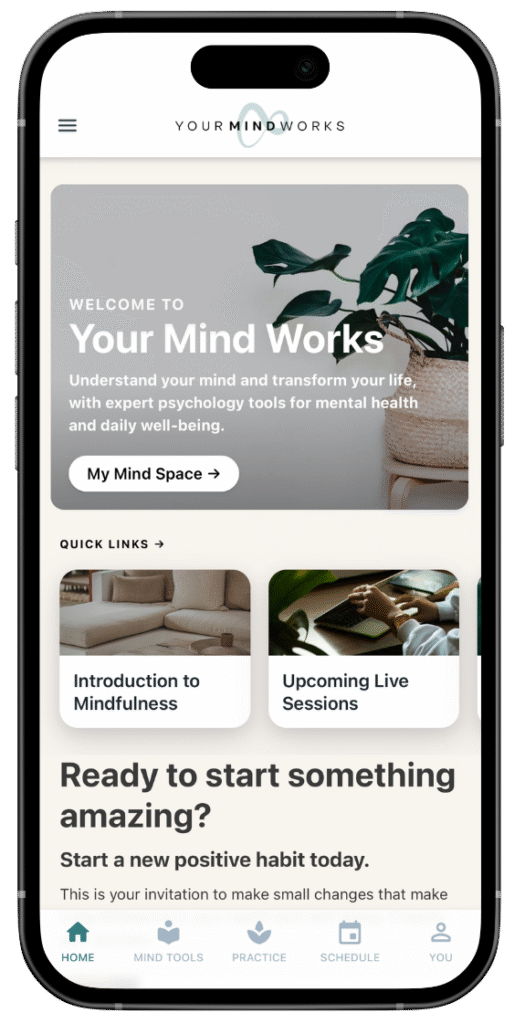
Track your progress
Your Personalised Client Space
Schedule mindfulness practices and exercises in your calendar
Join me for live group sessions
Library of resources including mind tools, practices and audios.
Our web-based app means you can easily access on any device.

Your Mind Works is available for Apple and Android, or can be easily accessed on your desktop browser and even on your TV.
How we work together
equine assisted therapy and mindfulness sessions

01
book a free consultation
Book your free 30-minute consultation via Zoom or telephone to ensure we are a good fit to work together and discuss how I can best support you.
02
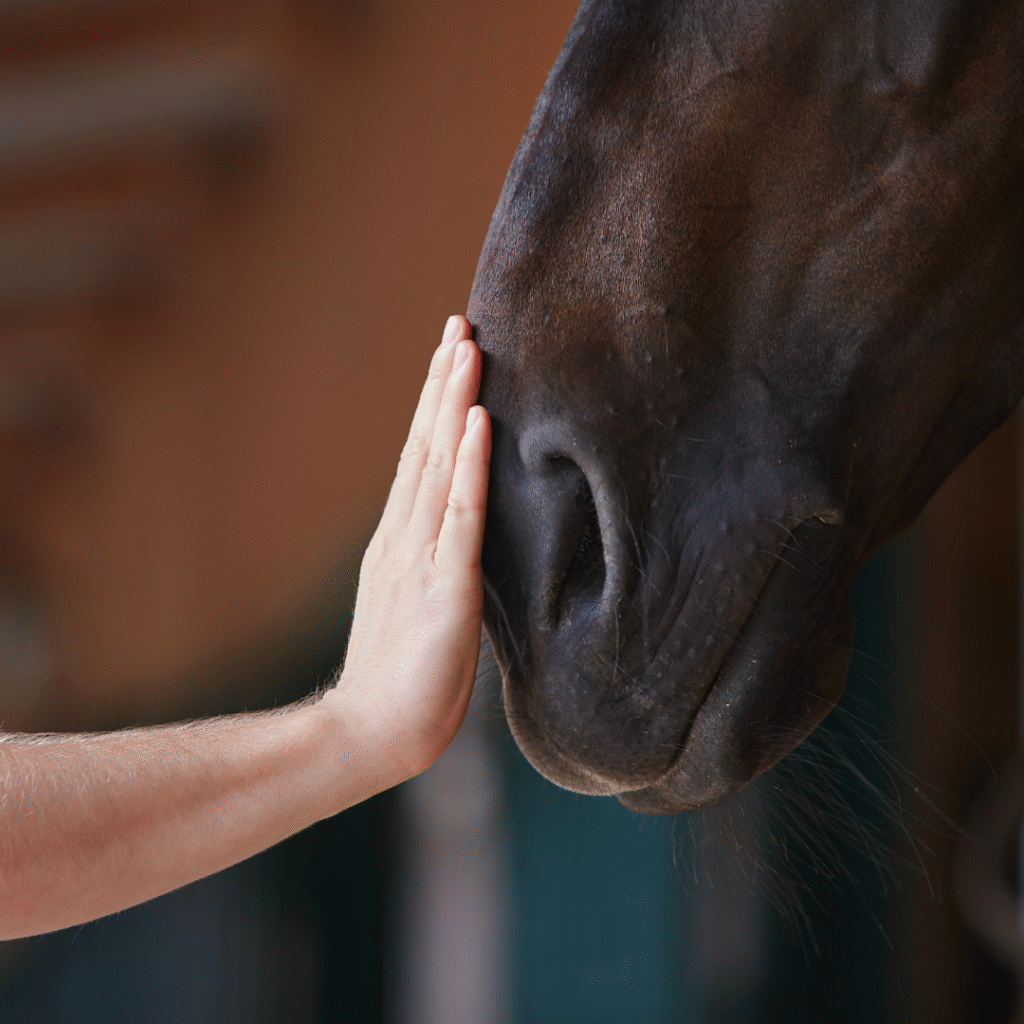
in-depth assessment
Our first session is an in-depth assessment, where we will explore your current challenges and goals for therapy.
03
personalised plan
Following your assessment, we will agree on a personalised treatment plan for you. We work collaboratively to ensure you are happy with the proposed approach and agree on the initial number of sessions.
04
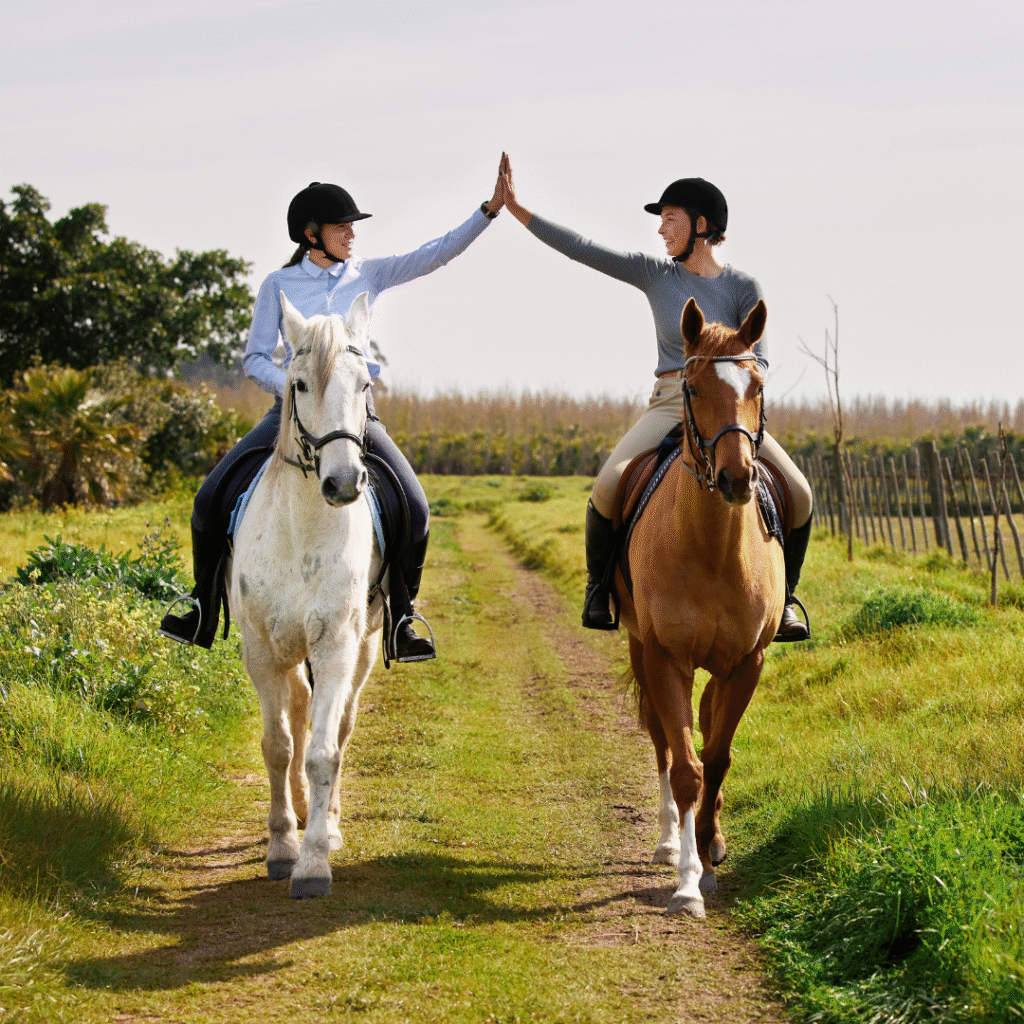
schedule sessions
We will arrange a convenient time to meet for your sessions. Most clients find 4-6 weekly sessions most beneficial to see meaningful change. However, I can accommodate one-off mindfulness or equine experiences or ongoing sessions to support you.
ready to get started?
YOUR NEXT STEPS
If you’re considering equine-assisted sessions for yourself or your child, I invite you to book a free, no-obligation consultation. This gives us space to talk through what you’re looking for, answer any questions you may have, and explore whether equine-assisted therapy, therapeutic horsemanship or mindfulness with horses is the right fit.
There’s no pressure to commit. The aim is simply to help you feel clear, informed and supported in deciding what feels right for you.
During the call, we can:
Talk through your needs or concerns
Discuss the different session options
Explore suitability, what happens during sessions and your goals
Click the link below to book your complimentary 30-minute consultation call to discover how we can work together.
Kind words
frequently asked questions
No previous experience is needed for any of the sessions. All activities are carefully guided, and interaction with the horses is always optional and at a pace that feels comfortable and safe.
Some sessions may include riding where appropriate, but many are ground-based. Equine Assisted Therapy and Mindfulness with Horses do not involve riding. Therapeutic Horsemanship may include riding depending on the individual, their needs and confidence.
Therapeutic Horsemanship and Riding, as well as Mindfulness with Horses, are both suitable for children and young people, including SEND. Equine Assisted Therapy is suitable for young people aged 11+ and adults. Our initial conversation will help us decide which option is best for you.
For Equine Assisted Therapy, the first session is primarily an initial assessment and takes place indoors, seated in comfort. This session is comprehensive but conversational. We’ll talk about what has brought you (or your child) to therapy, relevant background, and what you’re hoping for from the work. I’ll ask some questions to help me understand your situation, and you’ll have plenty of opportunity to ask questions too.
Towards the end of the session, there is usually a short, gentle introduction to the horses, allowing time to meet them and take part in a brief, simple experiential exercise if it feels appropriate. This helps begin the therapeutic relationship with the horses without feeling overwhelming. By the end of the session, we’ll have a clearer sense of direction and initial recommendations for moving forward.
For Therapeutic Horsemanship and Mindfulness with Horses, the first session typically includes a short check-in conversation, followed by spending more time outdoors with the horses. These sessions are more experiential from the outset, focusing on connection, presence, skill-building or mindfulness practices, depending on the session type and individual needs.
Across all sessions, everything is paced carefully, and nothing is forced. Your comfort, consent and emotional safety always come first.
Equine Assisted Therapy
Sessions combine talking therapy, reflective exercises and ground-based work with horses. Sessions may take place indoors, outdoors, or move between the two, depending on the focus of the work and what feels most supportive on the day. There is no pressure to talk, and the horses are used as part of the therapeutic process to support insight, emotional awareness and regulation.
Therapeutic Horsemanship
These sessions are more practical and experiential, focusing on horsemanship, care and connection with the horses. Activities are adapted to the individual and may include groundwork, riding where appropriate, and skill-building exercises that support confidence, communication and emotional regulation. Therapeutic Horsemanship sessions are less focused on talking and more on learning through doing.
Mindfulness with Horses
We combine simple, guided mindfulness practices with quiet, structured time alongside the horses. This may include breathing exercises, awareness practices and reflective moments, all designed to support calm, presence and nervous system regulation. Mindfulness sessions are gentle, paced carefully and tailored to individual needs.
Across all session types, everything is adapted to emotional, physical and developmental needs. Participation is always optional, and comfort, consent and safety are prioritised.
Yes. Safety is a priority for both people and horses. Sessions take place in a controlled environment and are facilitated by experienced, qualified professionals. Clear boundaries, consent and emotional well-being are central to all work.
This varies depending on the type of session and your individual goals.
Equine Assisted Therapy is usually most effective when attended as a short block of sessions, often around 4–6 sessions. This allows time to explore specific challenges, set therapeutic goals, and build skills gradually, with space to reflect and practise between sessions. Progress is reviewed together, and recommendations are adapted as the work develops.
Therapeutic Horsemanship sessions can be offered as one-off sessions or as ongoing support. While goals are still set and reviewed, each session is more experiential in nature and can stand alone, making this a flexible option depending on needs and preferences.
Mindfulness with Horses sessions may be attended as a single session for grounding and regulation, or as a short series to develop confidence and consistency in mindfulness skills. Ongoing sessions are also available for those who find regular practice supportive.
During an initial conversation or assessment, we can explore what approach and timeframe are likely to be most helpful for you or your child.
If you’re unsure, an initial conversation can help identify the most appropriate option based on needs, age and goals. You’ll be guided to the option that best supports you or your child.
Yes. Alongside equine-assisted work, I also offer non-equine-assisted therapy and mindfulness sessions, including the option to work online. This may be more appropriate if working with horses isn’t suitable, accessible or preferred, or if you would benefit from support from home.
This can be discussed during an initial consultation, and we can explore together which approach – in-person with horses, in-person without horses, or online, whichever feels most supportive for you. You can find out more on my main therapy and coaching practice website at www.yourmind.works
Lucy Mundy
Your therapost
MSc, HDipCBH, DipSMRB, GMBPsS, MNCIP (Reg)
I bring together over 25 years of experience in psychology, coaching, and a lifetime of working in partnership with horses. I hold a Master’s degree in Psychology alongside specialist training in behaviour change intervention design and evidence-based therapeutic approaches, including CBT (Cognitive Behavioural Therapy), ACT (Acceptance & Commitment Therapy), Mindfulness, Positive Psychology, and Cognitive Behavioural Hypnotherapy. I am a Graduate Member of the British Psychological Society and a Registered Member of the National Council of Integrative Psychotherapists (NCIP).
As an experienced equestrian and instructor, I also hold British Horse Society qualifications and additional certifications in equine psychology and equine nutrition. I founded and ran Island Equus, an equine assisted therapy, riding centre, and alternative education provision on the Isle of Wight for over ten years. During this time, I supported hundreds of children, young people, and adults through therapeutic programmes. Developing specialist SEND and behavioural programmes for schools and local authorities, as well as teaching horse care and riding, and providing NVQ qualifications.
My work is grounded in evidence-based approaches and delivered in a calm, compassionate and trauma-informed way. I’m passionate about creating a space where you or your child can feel safe, understood and supported, working at a pace that feels right.
Ready to Talk? BOOK A CALL
Reaching out for support can feel like a big step. Whether you’re exploring sessions for yourself or your child, you’re very welcome to get in touch for an initial conversation.
Your free 30-minute consultation takes place online or by phone and gives you the opportunity to ask questions, share what’s been going on, and find out whether working together feels like the right fit.
You don’t need to have everything figured out — we can take things one step at a time.
References:
1. Ramondo at al, (2021). ‘Clinical Hypnosis as an Adjunct to Cognitive Behavior Therapy: An Updated Meta-Analysis’ International Journal of Clinical and Experimental Hypnosis, 69(2): 169-202
2. Kirsch, I., Montgomery, G., & Sapirstein, G. (1995). Hypnosis as an adjunct to cognitive-behavioural psychotherapy: A meta-analysis. Journal of Consulting and Clinical Psychology, 63(2), 214-220.